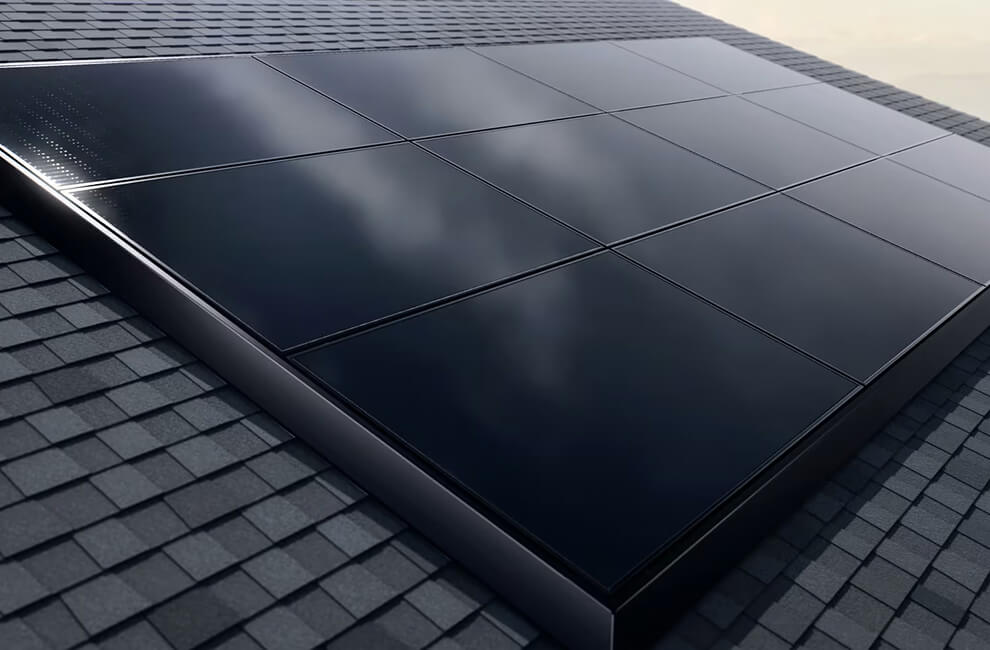
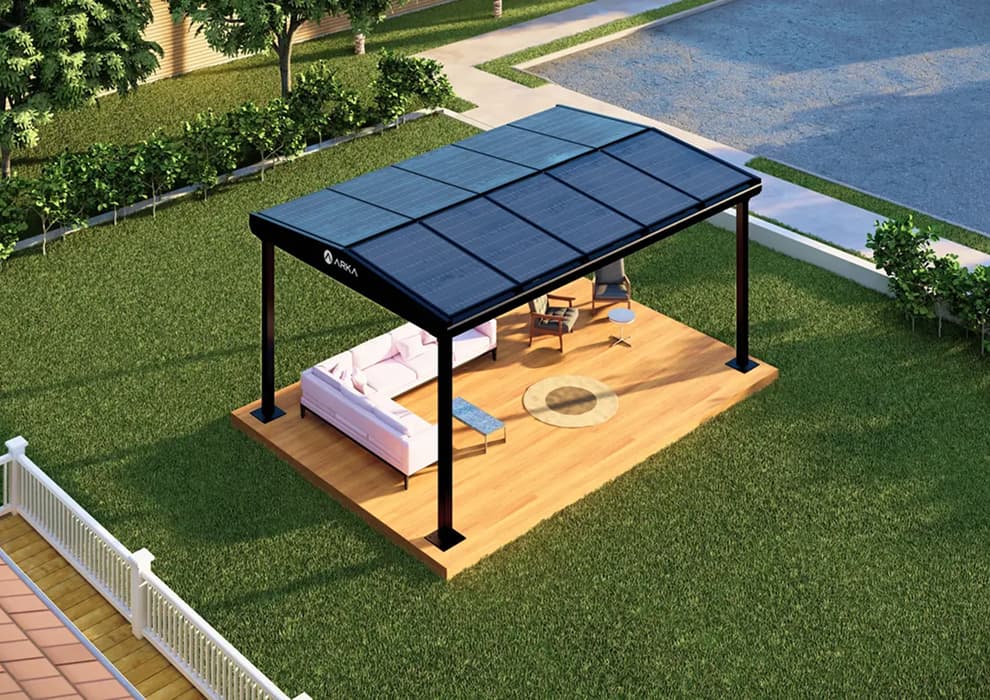
Every day, the sun sends an incredible amount of energy to Earth. Solar panels capture that energy and convert it into electricity—clean, powerful, and ready to use in your home.
Live Smarter With Solar
24/7 Power
No more worrying about blackouts or power cuts.
Real-Time Monitoring
Keep track of how much energy you’re producing and using.
High-efficiency photovoltaic (PV) panels mounted on your roof absorb sunlight. When sunlight strikes the silicon cells in the panels, it excites electrons, creating a flow of direct current (DC) electricity.
02
Conversion to Usable Electricity
An inverter transforms the captured DC (direct current) into AC (alternating current), which powers your home’s appliances and devices.
03
Use It or Store It
Use the energy instantly or store it in a battery system to power your home during night-time or outages.
04
Excess Energy Goes Back to the Grid
Any extra power can be sent back to the electricity grid (if net metering is available), earning you credits on your bill.
With abundant sunlight across most of the country, India is perfect for solar adoption. Whether you’re in a city or a rural area, solar makes sense—economically and environmentally.
Solar panels work by converting sunlight into electricity. Photovoltaic (PV) cells inside the panels absorb sunlight, which excites the electrons in the cells, generating direct current (DC) electricity. An inverter then converts this DC electricity into alternating current (AC) electricity, which powers your home.
What is the role of a solar inverter?
A solar inverter is essential for converting the DC power produced by your solar panels into AC power, which is used to run appliances in your home. It also helps monitor system performance, ensuring optimal efficiency and alerts you in case of any issues.
Do solar panels work at night?
No, solar panels do not generate electricity at night. However, they store energy in solar batteries during the day, which can be used at night or during cloudy days to power your home.
Can solar panels work in cold climates?
Yes, solar panels work efficiently in cold climates. In fact, they can even perform better in cooler temperatures, as extreme heat can sometimes reduce their efficiency.
How long do solar panels last?
Solar panels are designed to last between 25 to 30 years. Arka provides a 10-year product warranty and a 25-year performance warranty, ensuring long-term reliability and peace of mind for your investment.
What factors affect solar panel efficiency?
Several factors can affect the efficiency of your solar panels, including the angle and orientation of the panels, shading, the quality of the solar cells, and weather conditions. Regular cleaning and maintenance can help keep the system running at its best.